The Power of Truth—Zhou Sicong's Path of Artistic Transformation
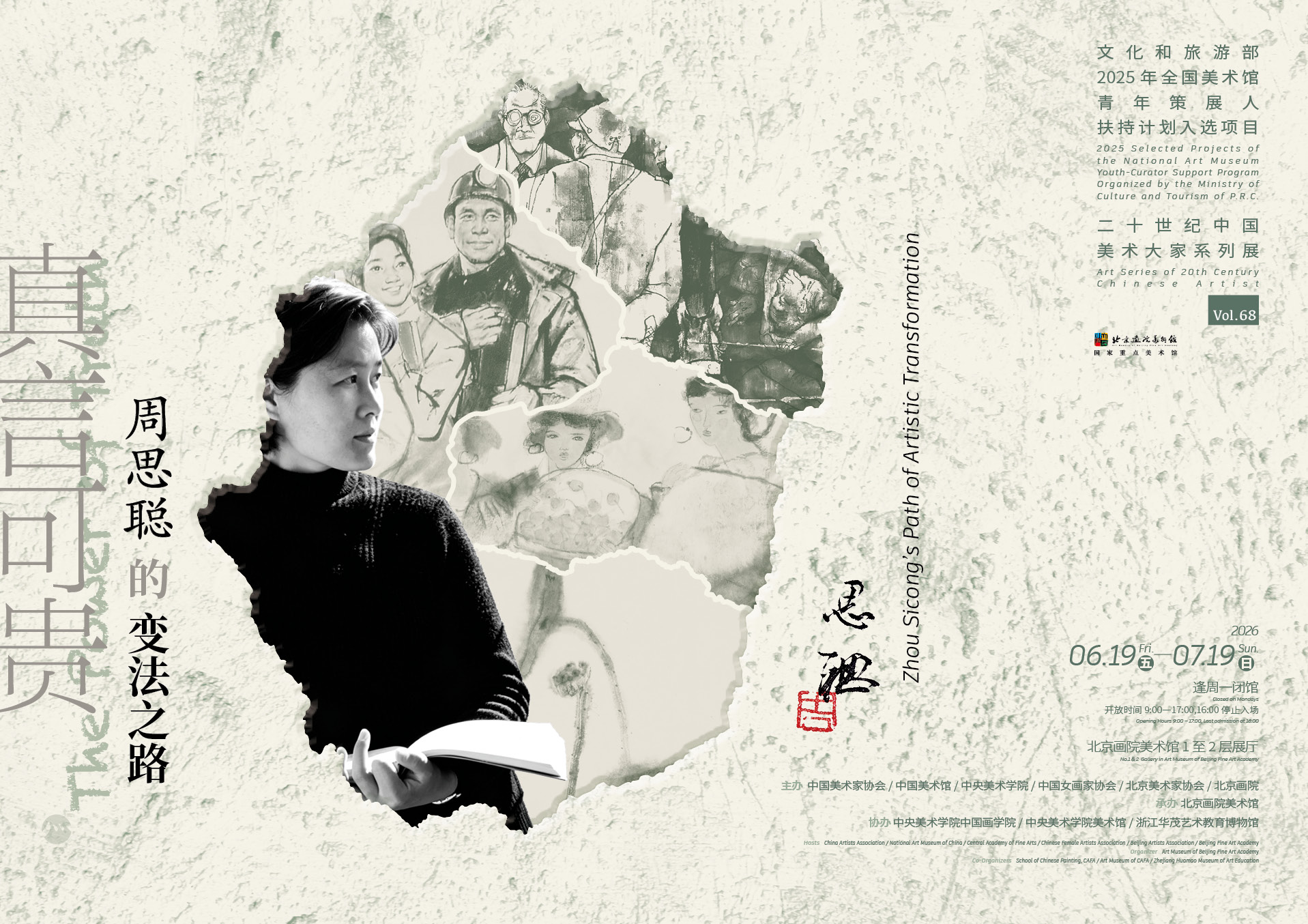
- show time:2026-06-19 to 2026-07-19
- Organizer:Beijing Fine Art Academy
- venue:Art Museum of Beijing Fine Art Academy
The exhibition themed "The Power of Truth—Zhou Sicong's Path of Artistic Transformation" has been honored as one of the 2025 Selected Projects of the National Art Museum Youth-Curator Support Program organized by the Ministry of Culture and Tourism of the People's Republic of China. It is co-hosted by China Artists Association, the National Art Museum of China, the Central Academy of Fine Arts (CAFA), the China Female Artists Association, the Beijing Artists Association, and the Beijing Fine Art Academy, and co-organized by School of Chinese Painting and the Art Museum of CAFA, and Zhejiang Huamao Museum of Art Education. As a significant chapter in the Beijing Fine Art Academy's ongoing "Art Series of 20th Century Chinese Artists," it is open to the public at the Art Museum of Beijing Fine Art Academy from June 19, 2026.
In the pursuit of artistic success, one must pass through three stages, which can be summarized in three lines of poetry:
First, "Last night the western breeze blew withered leaves off trees; I mount the tower high, and strain my longing eye."
Second, "I won’t regret even if the belt on my robe grows looser. For you, it’s worth being wan and haggard."
Third, "But in the crowd once and again, I look for her in vain. When all at once I turn my head, I find her there where lantern light is dimly shed."
With lofty vision and perseverance, enlightenment comes in a single moment.
— Zhou Sicong
The exhibition traces Zhou Sicong's lifelong pursuit of the "three realms of artistic success" through three thematic sections: "Lofty Vision", "Perseverance", and "Sudden Enlightenment." Her creative journey mirrors the entire evolution of modern Chinese ink art—from realism to expressionism. Starting with her early years as a student at the Central Academy of Fine Arts, moving through the bold breakthroughs of her "Miners" series at the Beijing Fine Art Academy, and culminating in the ethereal lotus flowers she painted in her final years despite battling illness, the exhibition progressively presents the life-cast artistic path of this outstanding female painter in modern Chinese ink art. On the 30th anniversary of her passing, this exhibition serves both as a heartfelt retrospective of her artistic legacy and a spiritual dialogue about faith, suffering, and transcendence.
Vision: From the Classroom of CAFA to the Canvas of an Era
Born in 1939 in Lutai Town, Ninghe County, Hebei province (now Ninghe District, Tianjin), Zhou Sicong developed a keen interest in painting in her early childhood, influenced by her maternal grandfather. In 1955, she was admitted to the Affiliated High School of the Central Academy of Fine Arts, where she received systematic training in fine arts. In 1958, she entered the Department of Traditional Chinese Painting at the CAFA. She first studied landscape painting from Li Keran (1907-1989), winning a silver medal at the International Youth Art Exhibition of the 7th World Festival of Youth and Students in Vienna with her ink sketch "A Corner of the Summer Palace." She later joined Jiang Zhaohe(1904-1986)'s studio, where she built a solid foundation in figure painting.
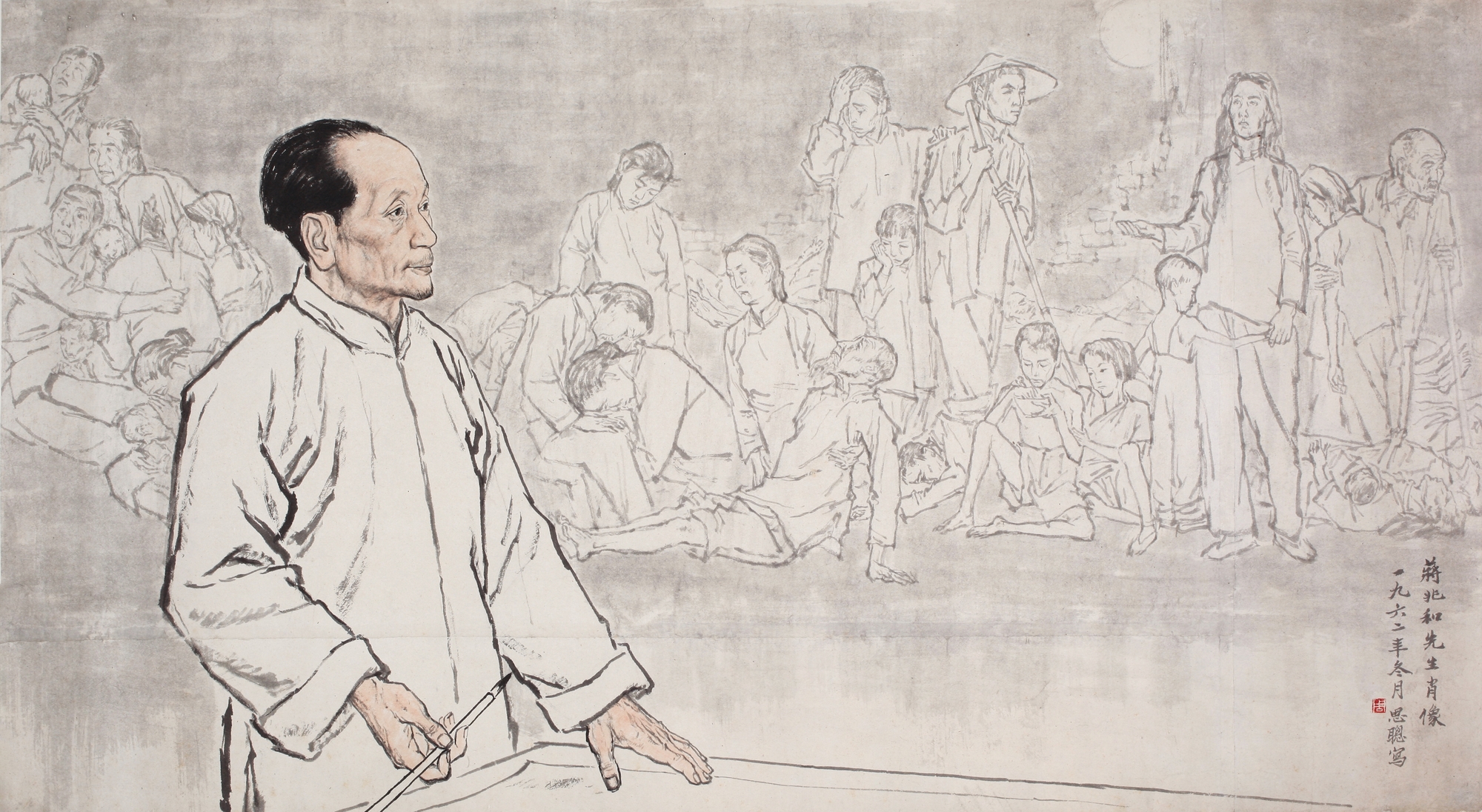
Portrait of Mr. Jiang Zhaohe
by Zhou Sicong , 1962 , ink and color on paper , 60×107cm
School of Chinese Painting , CAFA
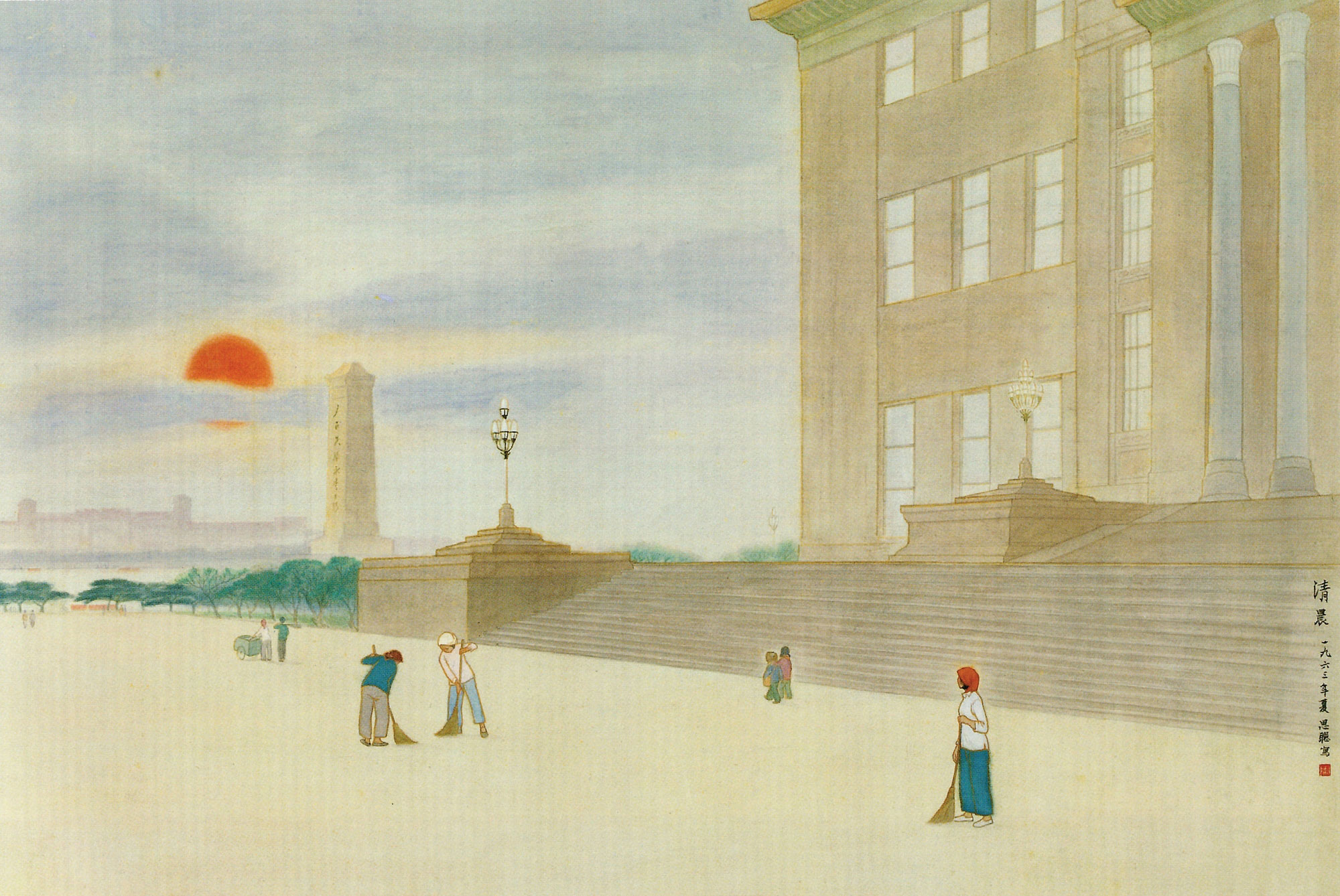
Morning
by Zhou Sicong , 1963 , ink and color on silk , 80×119cm
Art Museum , CAFA
In 1963, after graduation, Zhou Sicong joined the Chinese Fine Art Academy in Beijing (now the Beijing Fine Art Academy) as a professional painter. This professional identity promoted a transformation in her creation. She began to depict events of the times and stories of the public—a shared artistic pursuit among her generation of artists.
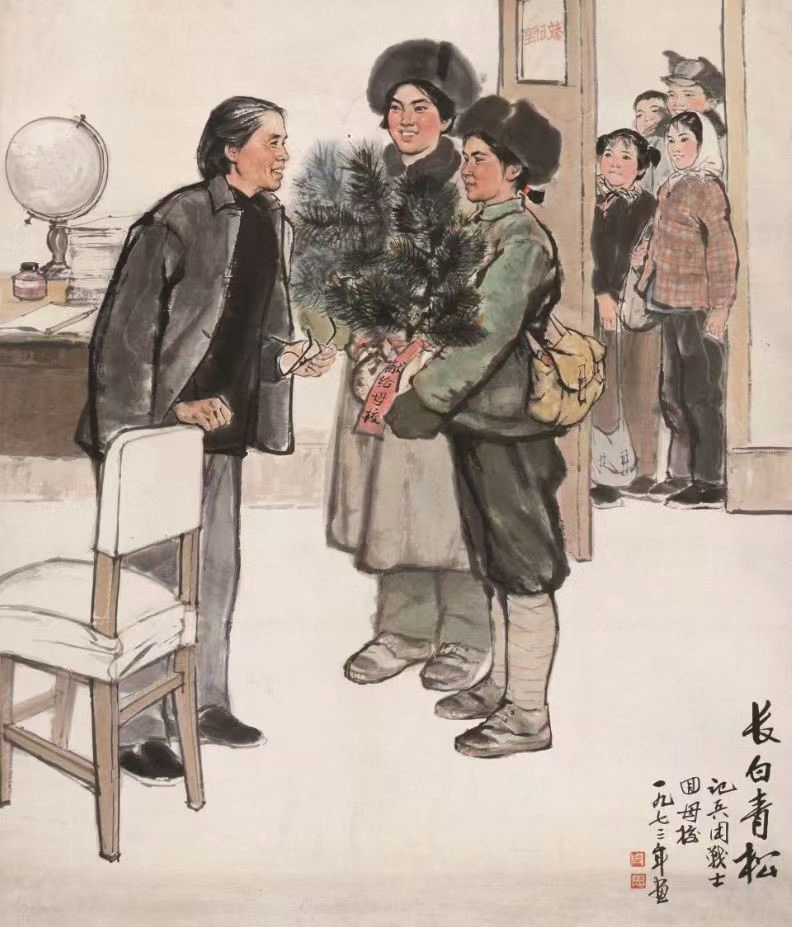
Pine Seedlings from Changbai Mountain
by Zhou Sicong , 1973 , ink and color on paper , 112×95cm
Beijing Fine Art Academy
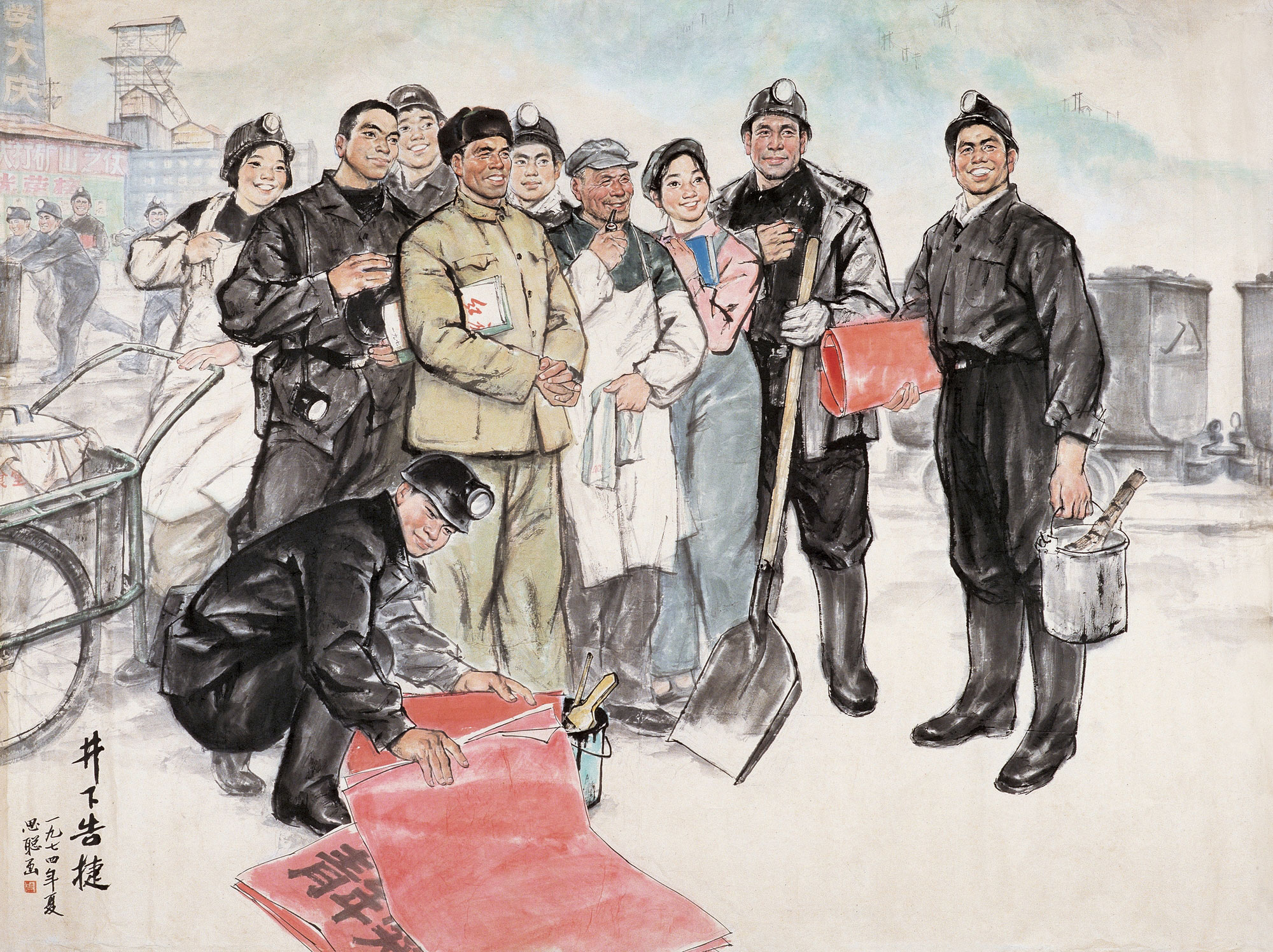
Victory in Mine
by Zhou Sicong , 1974 , 1ink and color on paper , 139.5×187.5cm
Beijing Fine Art Academy
Perseverance: From the Shock of the "Hiroshima Panels" to the Sorrow Conveyed by the "Miners"
The change in Zhou Sicong's art creation was greatly influenced by Maruki Iri and Maruki Toshi. In 1956, when she was still a student, Zhou learned that the "Hiroshima Panels", created by the Japanese husband-and-wife artists Maruki Iri and Maruki Toshi, were being exhibited in China. She visited the exhibition and was profoundly shocked. That shock did not fade with the end of the exhibition; rather, it ran like an undercurrent, ceaselessly flowing through her blood. In the late 1970s, Zhou and her husband Lu Chen visited the coal mines in Liaoyuan for sketching. The plight of the miners weighed heavily on her mind, evoking a profound sense of moral urgency. It was this experience that inspired her to depict their suffering—her artistic vision thereby acquiring newfound power and emotional depth.
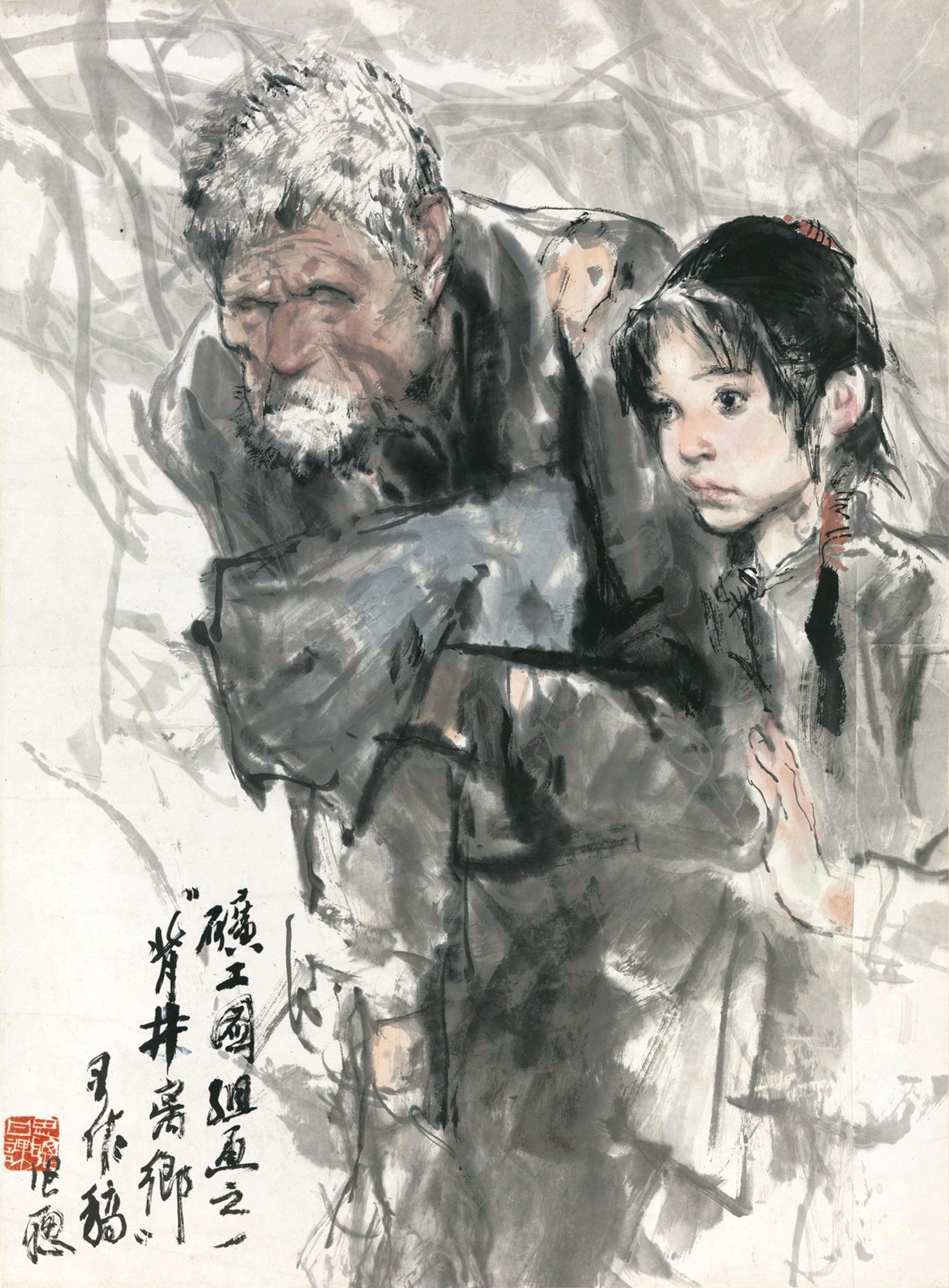
Far Away from Home
by Zhou Sicong , 1978 , ink and color on paper , 69×52cm
NAMOC
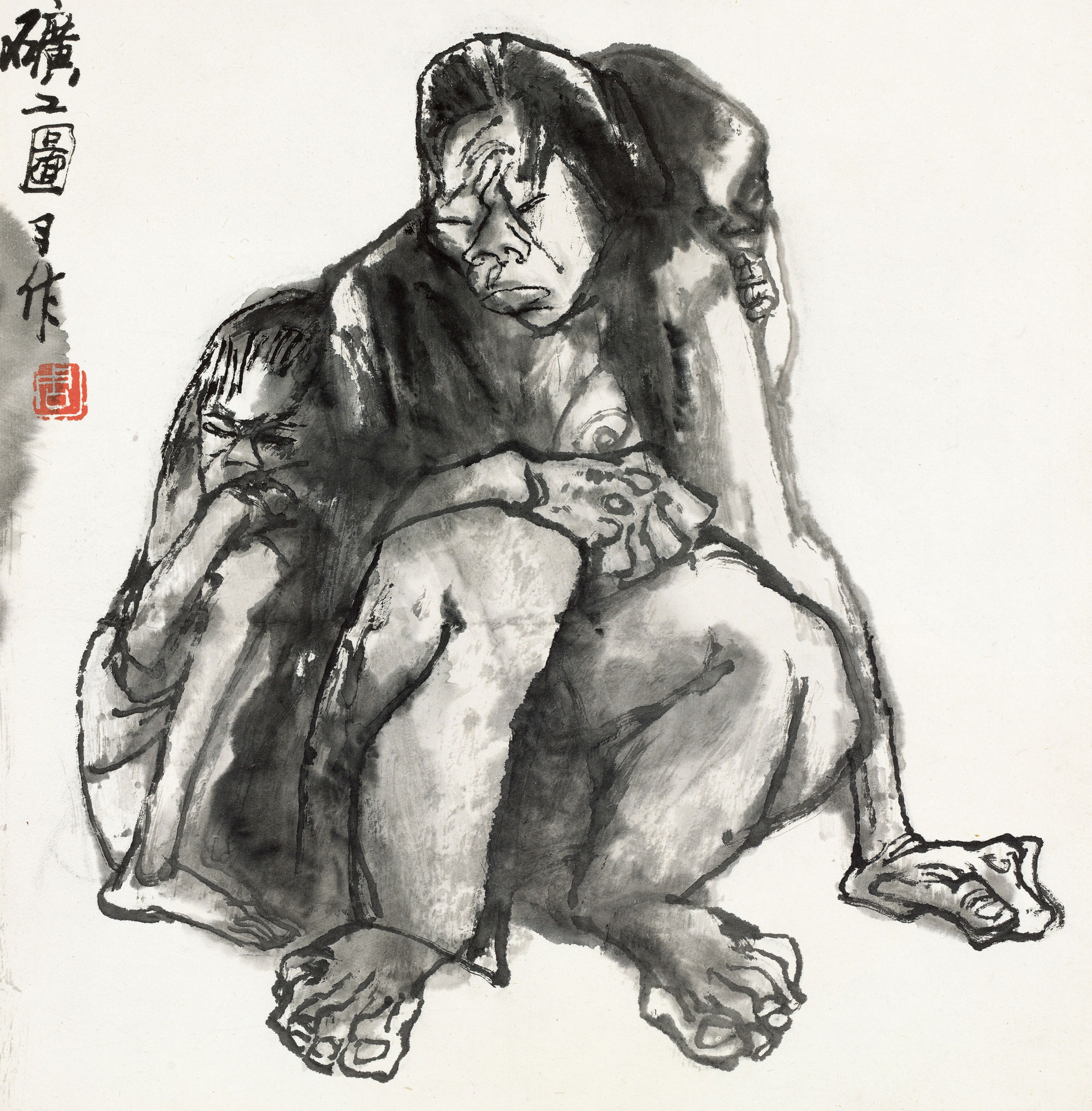
A Sketch of Miners
by Zhou Sicong , 1980 , ink on paper , 34.5×34cm ,
Beijing Fine Art Academy
In 1980, as a member of the Beijing Photography Exhibition Delegation, Zhou Sicong visited Japan, where she met Maruki Iri and Maruki Toshi. The encounter initiated a cross-generational friendship transcending national borders, and profoundly shaped her artistic development. Her preliminary sketches of "Miners" received high acclaim from the Marukis. Abstract expressive techniques, layered and staggered spatial arrangements, and the temporal juxtaposition and reconstruction—these were all significant innovations along her path to mastery. These techniques, a compelling departure from conventional realism, carried her most honest expression of suffering and marked the evolution of her art from illustrative storytelling to a deep spiritual inquiry.
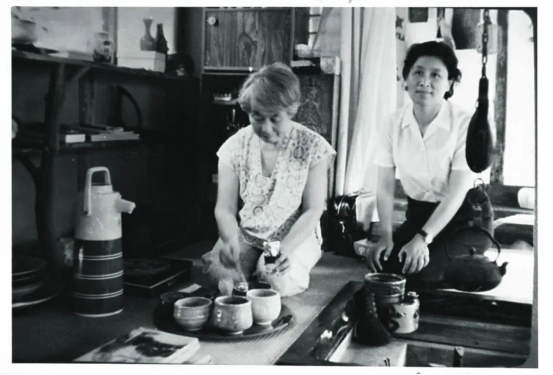
Zhou Sicong (Right) and Maruki Toshi (Left)
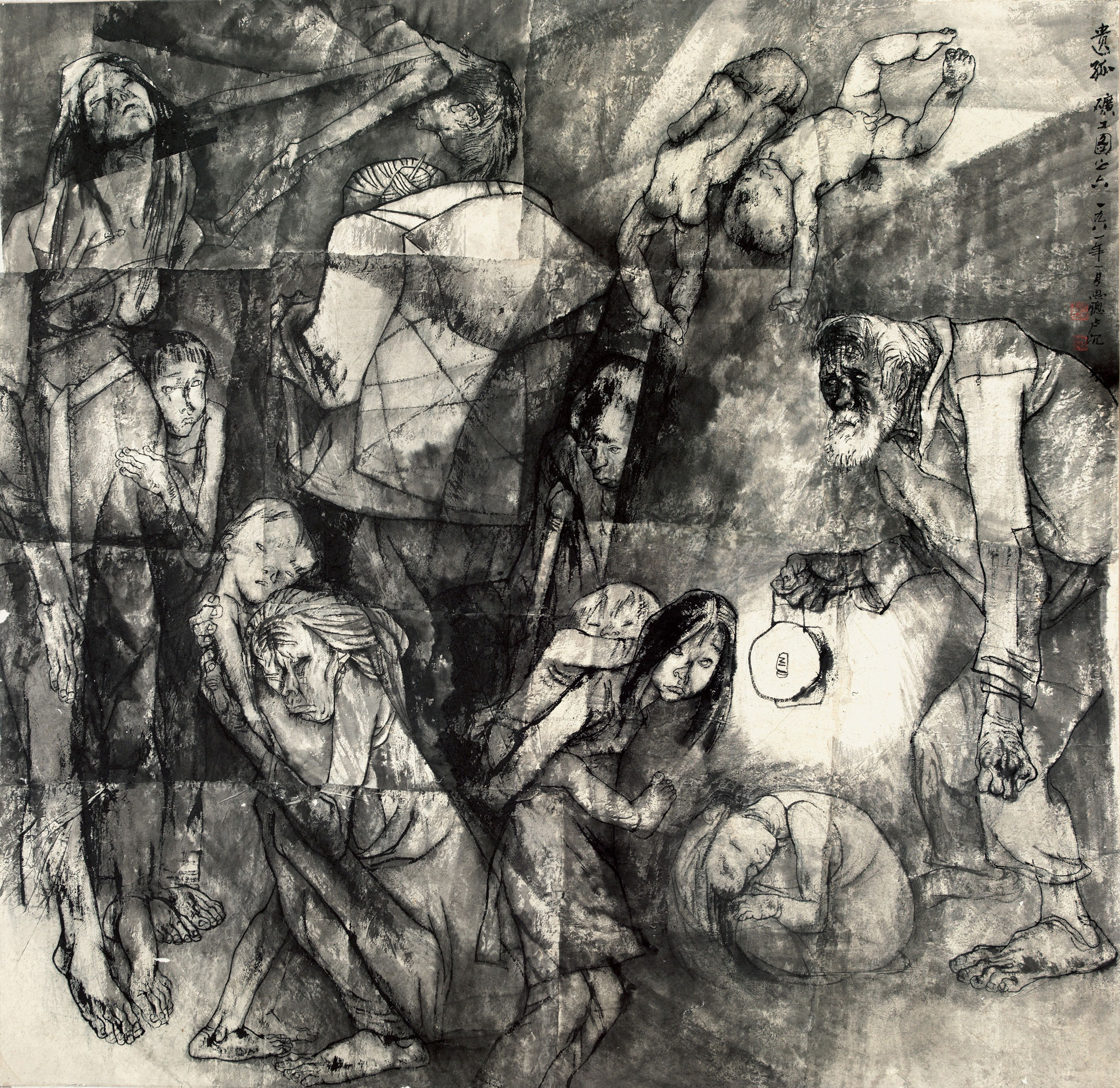
Orphans
Zhou Sicong & Lu Chen , 1981 , ink on paper , 174.5×180.5cm
Beijing Fine Art Academy
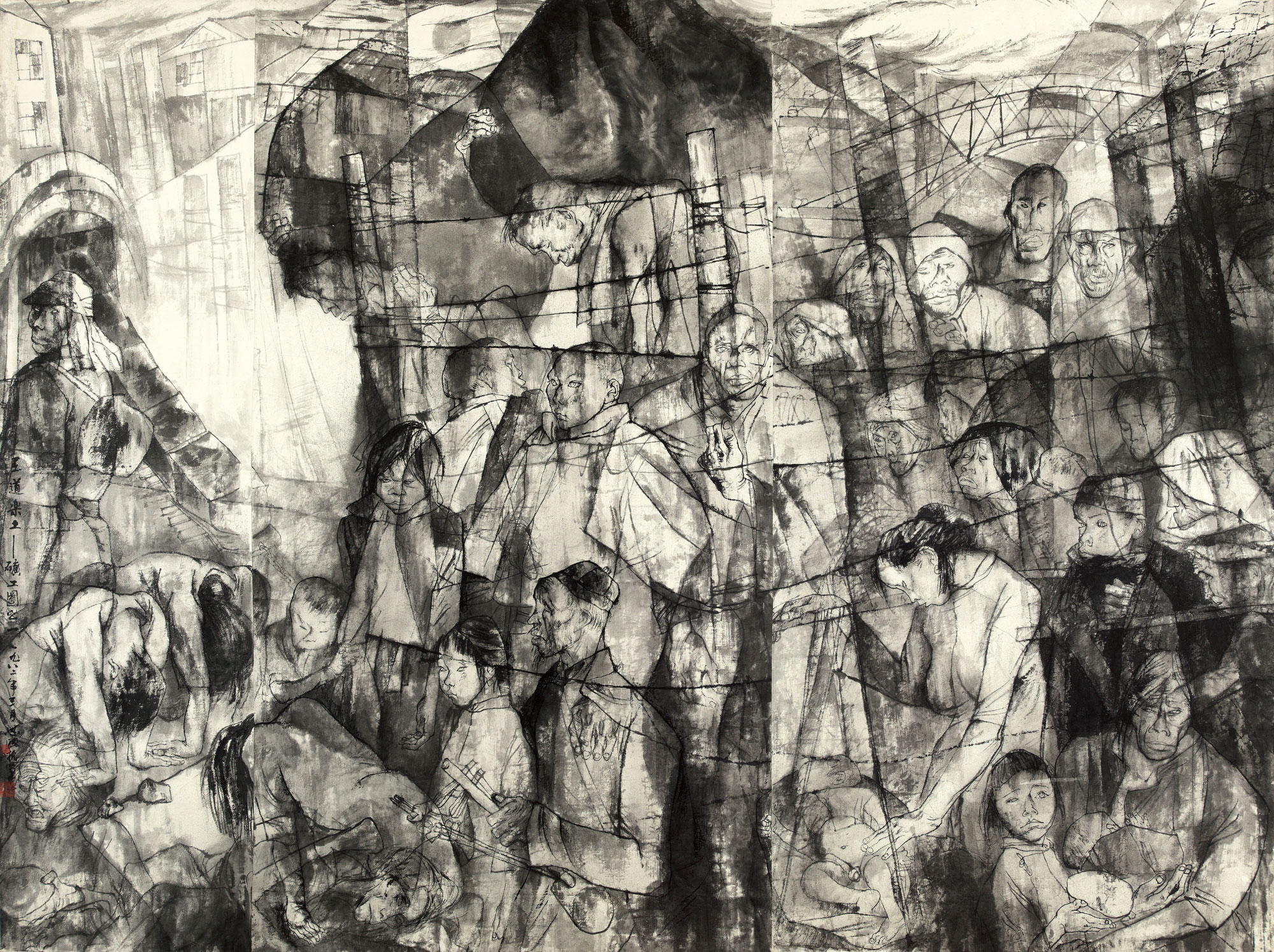
Land of Benevolence and Justice
by Zhou Sicong , 1982 , ink on paper , 178×238cm
Beijing Fine Art Academy
Later, at the invitation of the Marukis, Zhou traveled to Japan once again to participate in an exhibition. With a broader international perspective, and amid the rise of the "85 New Wave" art movement in China, she began to consciously break the limitation to the ink-and-wash medium, exploring more liberated forms of artistic expression. It could be said that her encounter and friendship with the Marukis not only reshaped the trajectory of her creative journey but also ignited a lasting flame within her, which drove her to spend a lifetime exploring the very purpose of art.

Zhou Sicong and the Marukis at Hiroshima
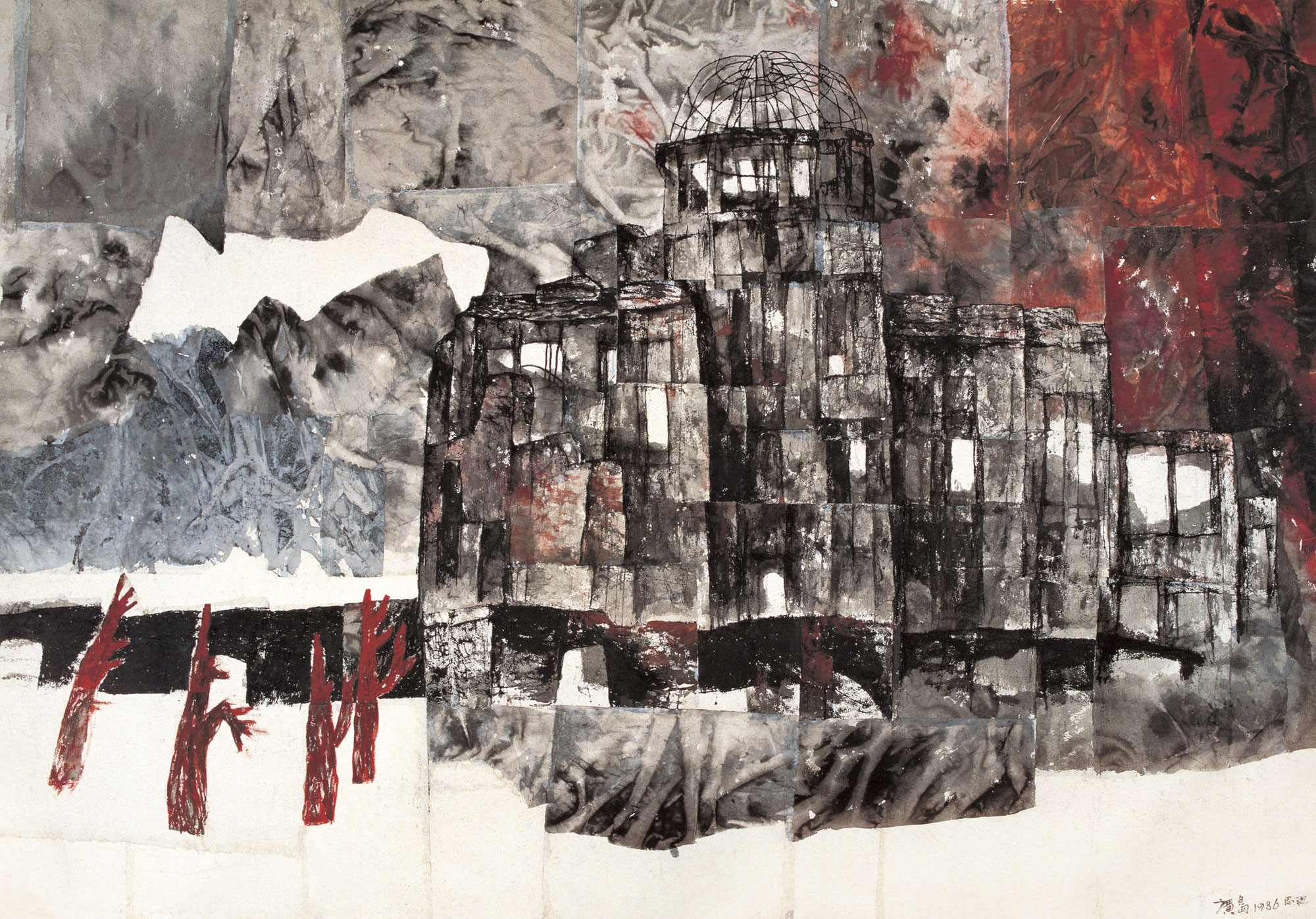
View of Hiroshima
by Zhou Sicong , 1986 , collage-style ink painting , 172x243cm
Zhejiang Huamao Museum of Art Education
Sudden Enlightenment: A Spiritual Haven Built with Paintings
In her later years, Zhou Sicong's ink-and-wash works turned entirely toward the direct expression of inner life—revealing brushwork in their quietude and stirring waves beneath their stillness. In 1982, she traveled to Daliang Mountain in Sichuan for sketching, beginning the creation of her "Women of Yi Ethnic Group" series. This body of work embodied both her empathetic engagement with the labor, diligence and resilience of women and her parallel articulation of personal suffering—specifically, the physical debilitation caused by rheumatoid arthritis, which deformed the joints of her fingers. She then turned to painting lotus in ink for spiritual solace, seeking peace with her destiny with the diminishing mobility. Painting became her ultimate spiritual refuge—a place to confront suffering and find a home for her life.
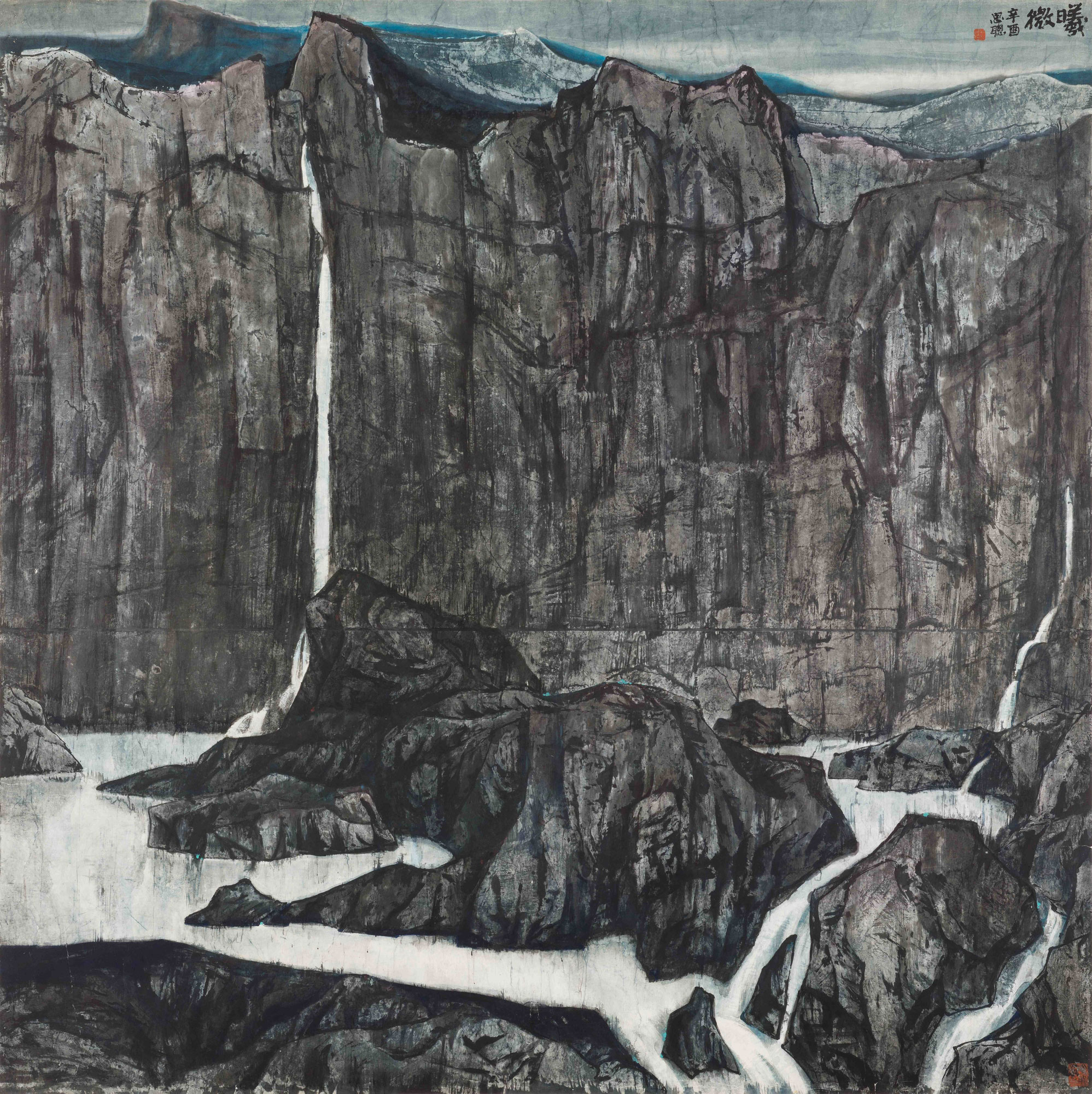
Dawn Light
by Zhou Sicong , 1981 , ink and color on paper , 166×164.5cm
Zhejiang Huamao Museum of Art Education
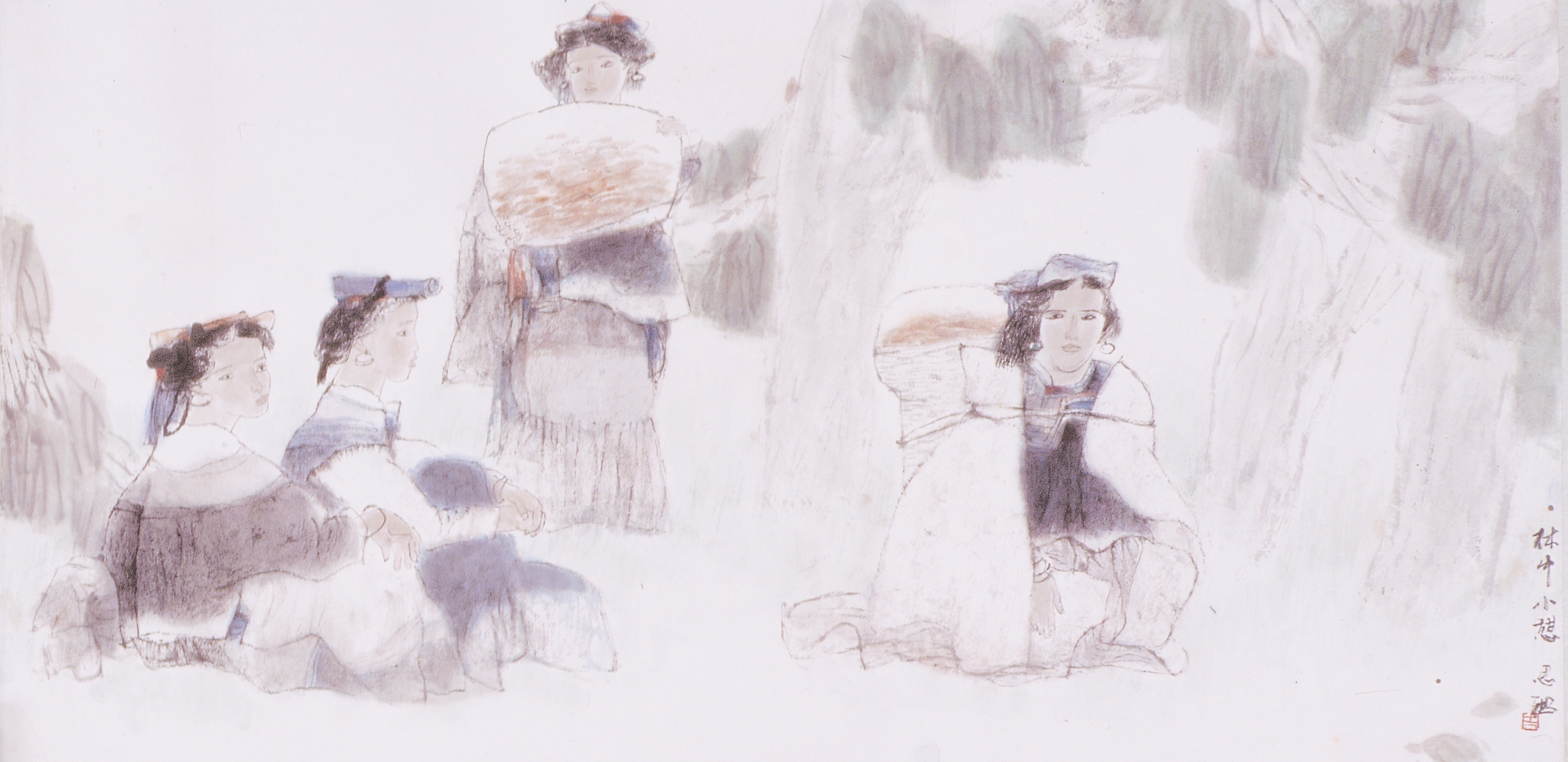
A Short Rest in Forest
by Zhou Sicong , ink and color on paper , 51×102cm
Beijing Fine Art Academy
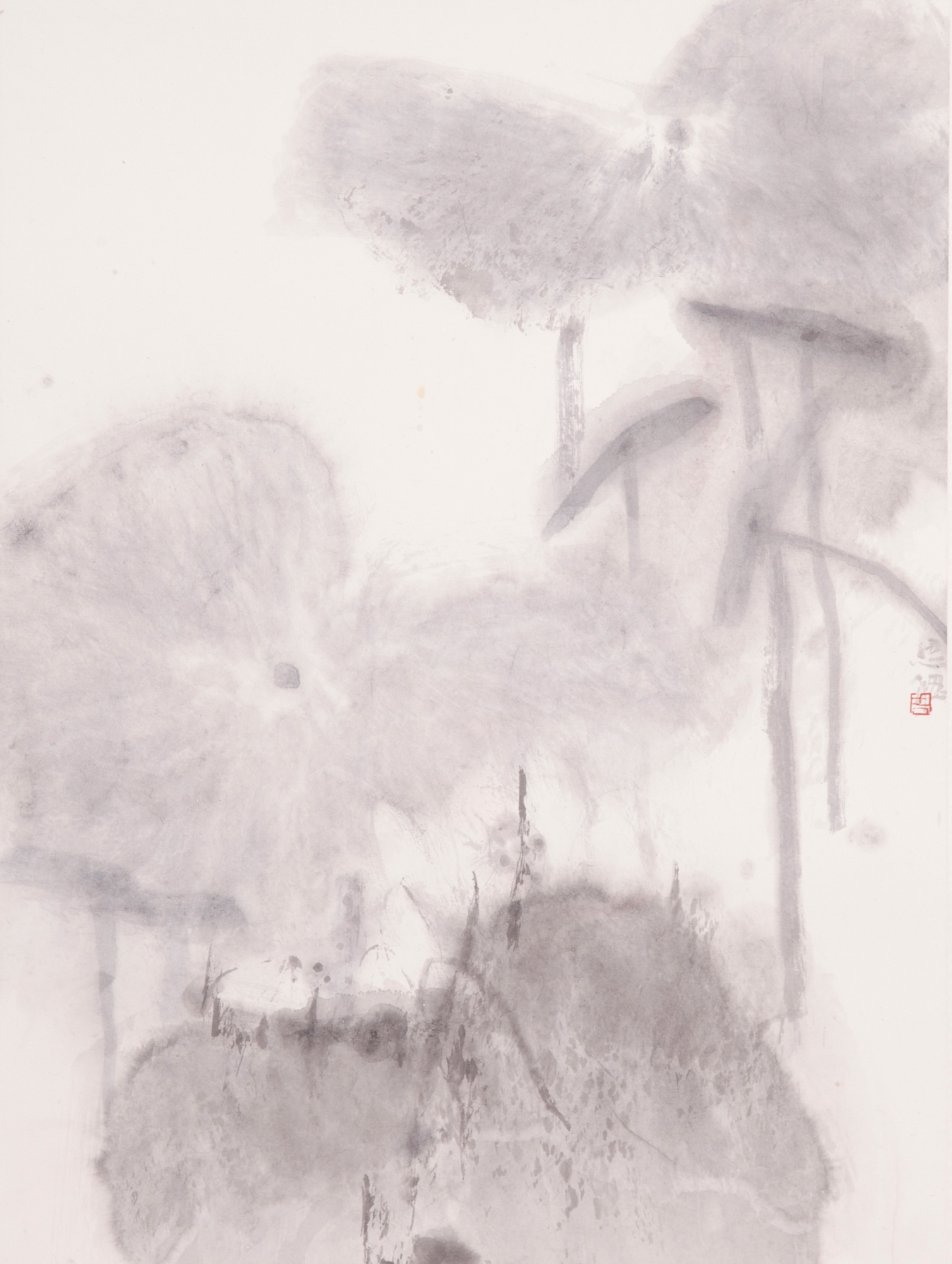
Lotus
by Zhou Sicong , ink and color on paper , 66×49cm
Beijing Fine Art Academy
As deep as life's pain runs, so too does the soul's courage. Once you step into the exhibition hall, whether before the ink portrayals of human life brimming with realism, the tranquil yet profoundly moving Yi women, or the withered lotus leaves—the artist's final, pure confession, you will truly feel the pulse of an artistic mind across time and space.
We look forward to meeting every art explorer here, and to sharing with you the indomitable vitality and the untainted original aspiration under Zhou Sicong's brush.
Time: June 19 to July 19, 2026
Name: The Power of Truth—Zhou Sicong's Path of Artistic Transformation
Venue: 1F、2F, Art Museum of Beijing Fine Art Academy
Beijing Fine Art Academy
Art Museum of Beijing Fine Art Academy
Works Picture
-
Portrait of Mr. Jiang Zhaohe
-
Morning
-
Pine Seedlings from Changbai M...
-
Victory in Mine
-
Far Away from Home
-
A Sketch of Miners
-
Orphans
-
Land of Benevolence and Justic...
-
View of Hiroshima
-
Dawn Light
-
A Short Rest in Forest
-
Lotus